A landscape that suits Florida, not just the photo
New sod and fresh planting beds change how a property looks overnight. Whether they still look good a year later depends on the ground underneath, the plants you choose and how they are watered. We prepare the soil, choose grass and plants for the light and drainage of each area, and adjust the irrigation so the new landscape takes root in the Florida heat.
What we do
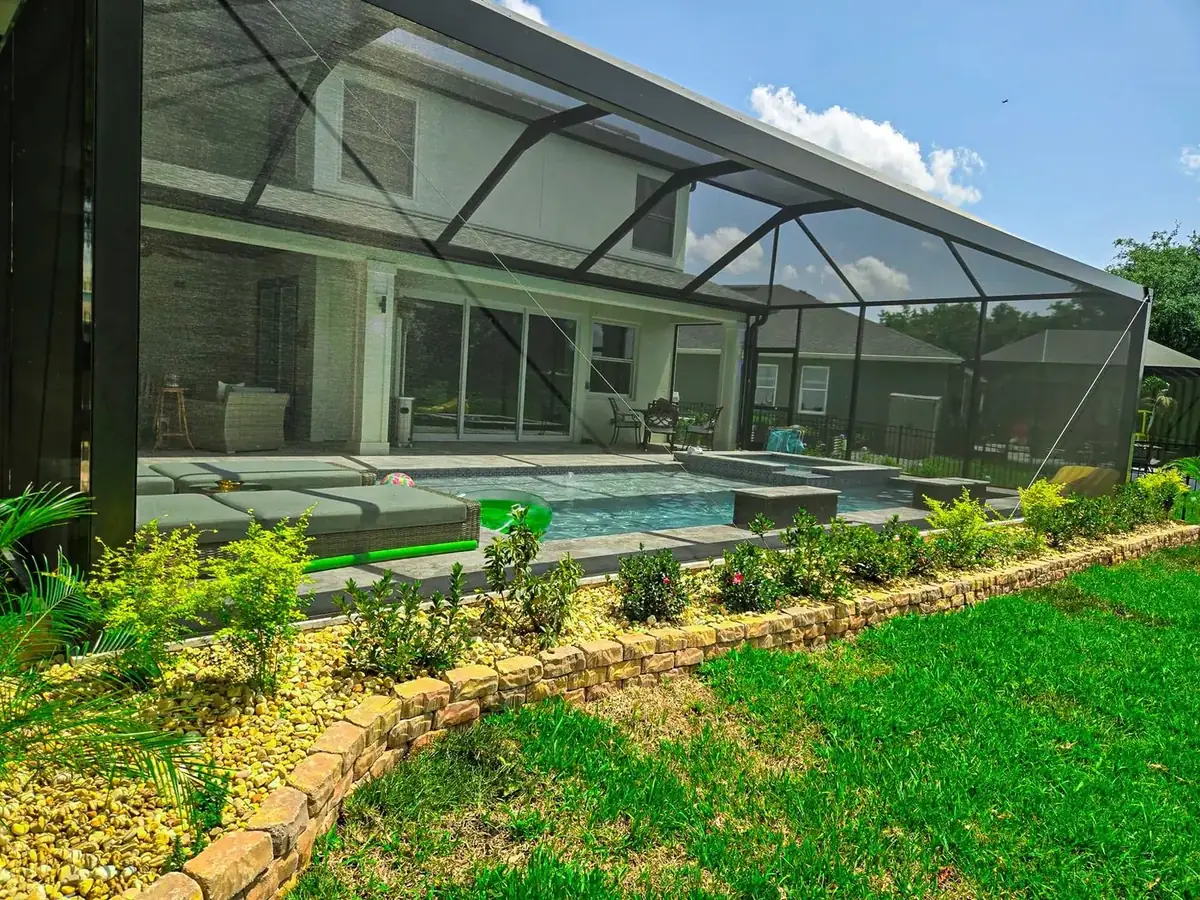
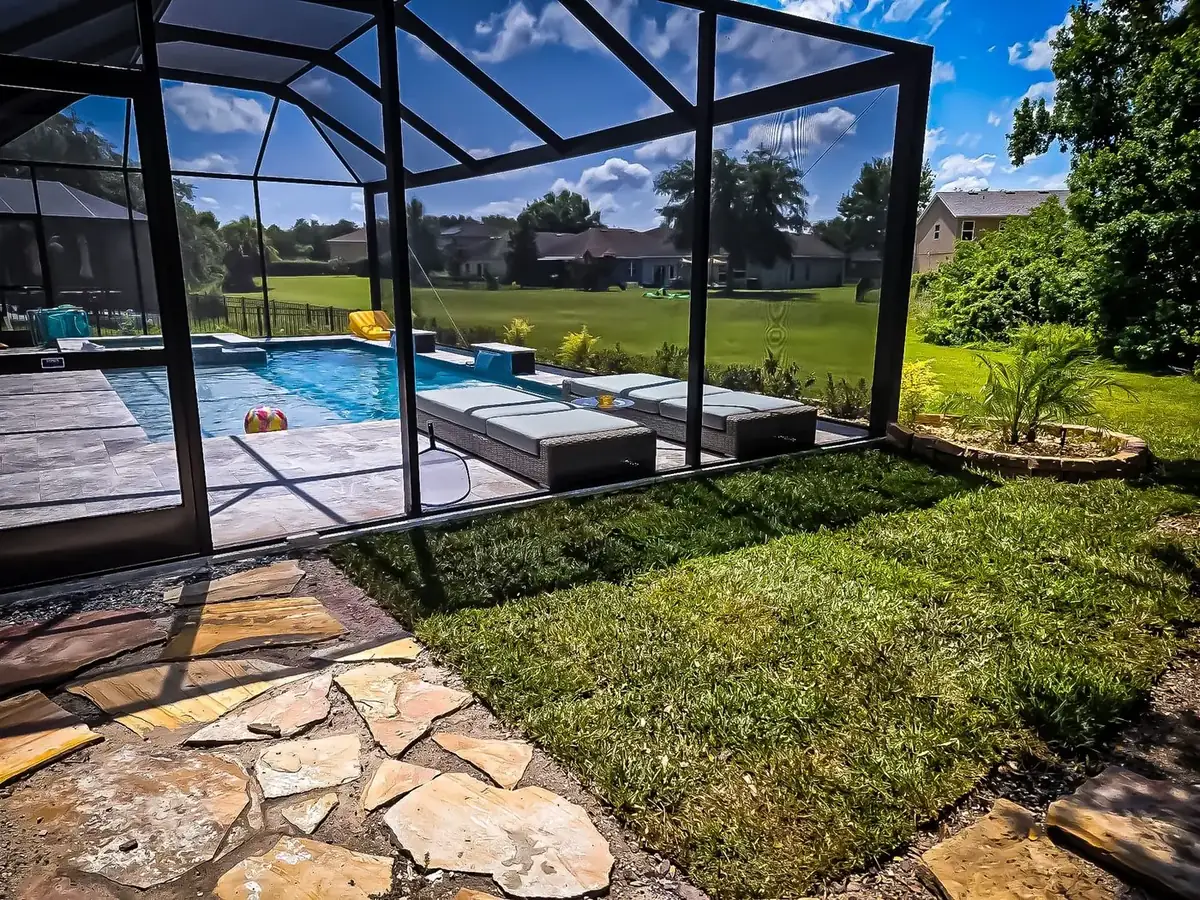
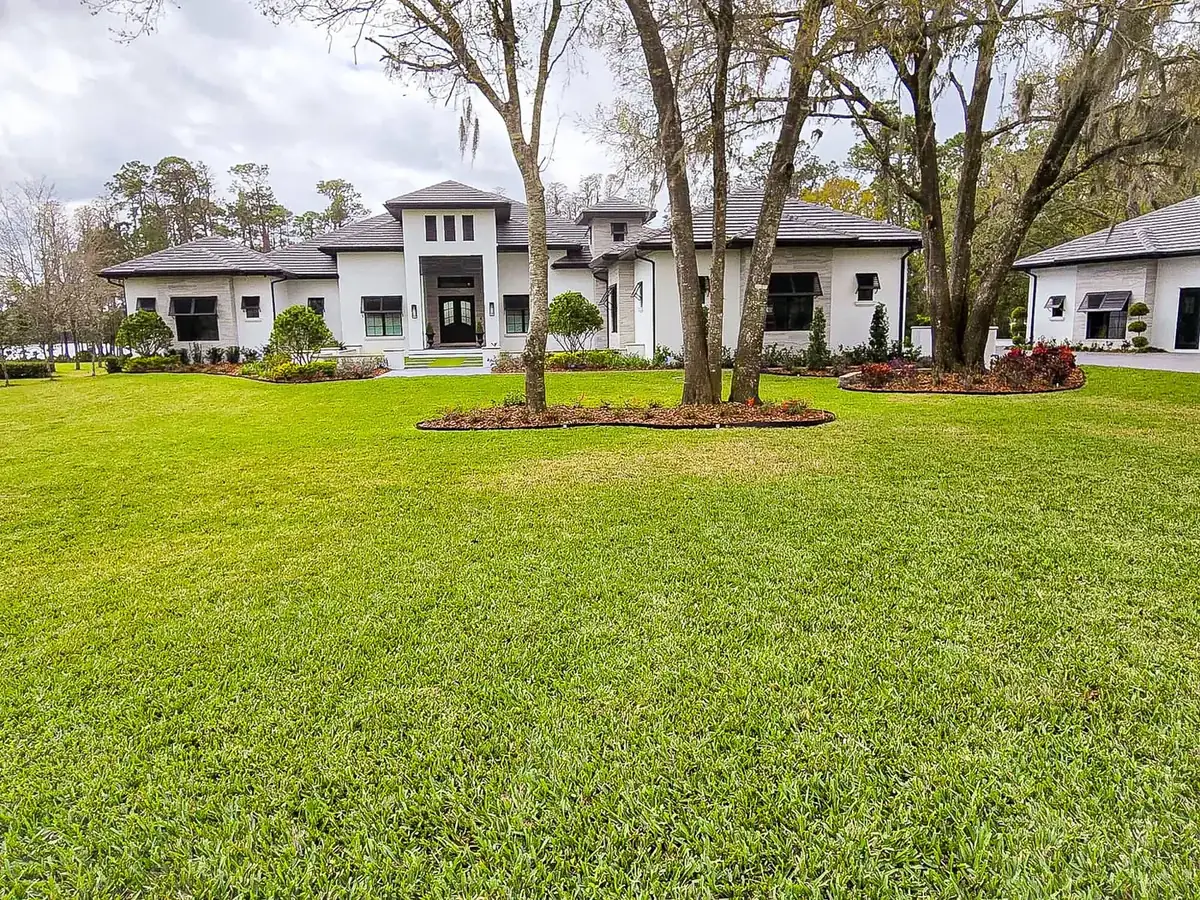
- Sod installation. Removal of old or dead turf, grading, soil preparation and new sod laid tight, with edges cut clean along walks and beds.
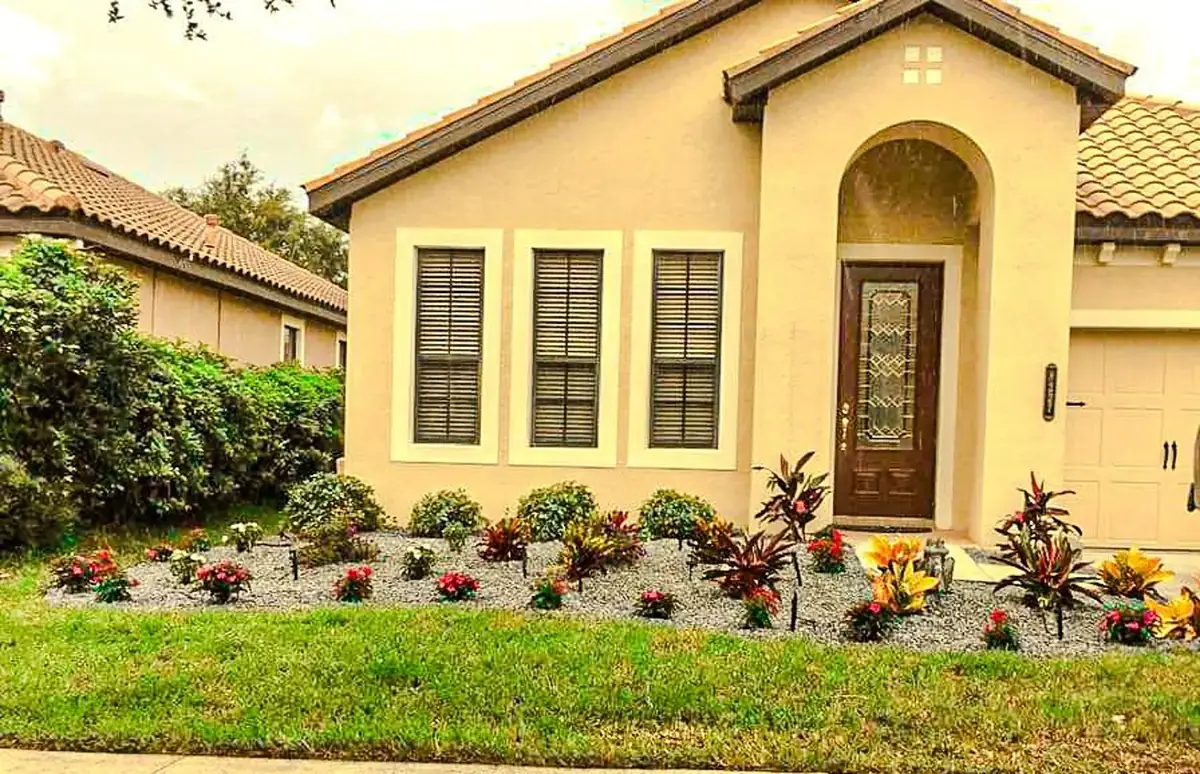
- Planting beds. New beds or a refresh of existing ones: edging, weed control, plants and mulch.
- Landscape design. A planting plan for the front yard, back yard or entrance, built around how much sun each area gets and how much care you want to put into it.
- Mulch and rock. Fresh mulch to hold moisture and keep weeds down, or decorative rock where plants struggle.
- Irrigation adjustments. Every landscape change also changes how the irrigation should run. We move heads, add drip to new beds and reprogram the controller.
Choosing the right grass
There is no single best lawn for Florida. The common choices around Tampa Bay each have trade-offs:
- St. Augustinegrass is the most common lawn in the area: dense, dark green and quick to fill in. Some varieties, such as Floratam, need full sun, while others handle partial shade better.
- Zoysiagrass forms a fine, dense turf that feels soft underfoot and handles foot traffic well. It establishes more slowly.
- Bahiagrass tolerates drought and low fertility, which makes it practical for large, sunny areas. It looks less manicured and sends up seed heads in summer.
During the site visit we look at sun, shade, drainage and how you use the yard, and recommend what fits.
Florida-friendly design
We follow the ideas behind the University of Florida IFAS Florida-Friendly Landscaping program: the right plant in the right place, efficient watering, mulch, and fewer chemicals. In practice that means native and well-adapted plants grouped by water needs, drip irrigation in beds and grass only where you actually use it. The result is a yard that needs less water and less work to keep looking good.
Caring for new sod
New sod needs frequent, light watering for the first weeks while the roots grow into the soil, then less often and deeper. Watering rules in the Southwest Florida Water Management District usually allow extra watering while new grass and plants establish. We set your controller for the establishment period and tell you when to switch to the normal schedule. Stay off the new lawn until the roots hold, and wait until it is rooted before the first mowing.
Frequently asked questions
Can you lay new sod over the old lawn?
No. Sod laid over dead grass or weeds roots poorly. We remove the old turf, level the ground and prepare the soil first.
When is the best time to install sod?
Sod can be installed most of the year in Tampa Bay. The warm, rainy months help it root quickly; in the dry season it relies more on irrigation, so the system must be working well.
Do I need to fix my irrigation first?
Often, yes. New sod on a system with broken heads or poor coverage will brown in patches. We check the zones during the visit; see sprinkler and drip irrigation.
Can you keep it looking good after installation?
Yes. We offer trimming and pruning visits, and maintenance contracts for HOAs and businesses.